

The Changing Role of the Distributor
From traditional wholesale distribution to digital-first growth — how consumer brands are rethinking their routes to market.
For many years, the traditional distributor played a central role in helping consumer brands enter and develop new markets. The model was relatively straightforward: secure distribution rights, build relationships with retailers, establish a showroom and sales team, hold stock, manage logistics and provide local market expertise.
Having spent more than two decades building and operating a fashion distribution business, I've experienced both the strengths of this model and the challenges that emerged as the market evolved.
Today, the route to market can look very different…
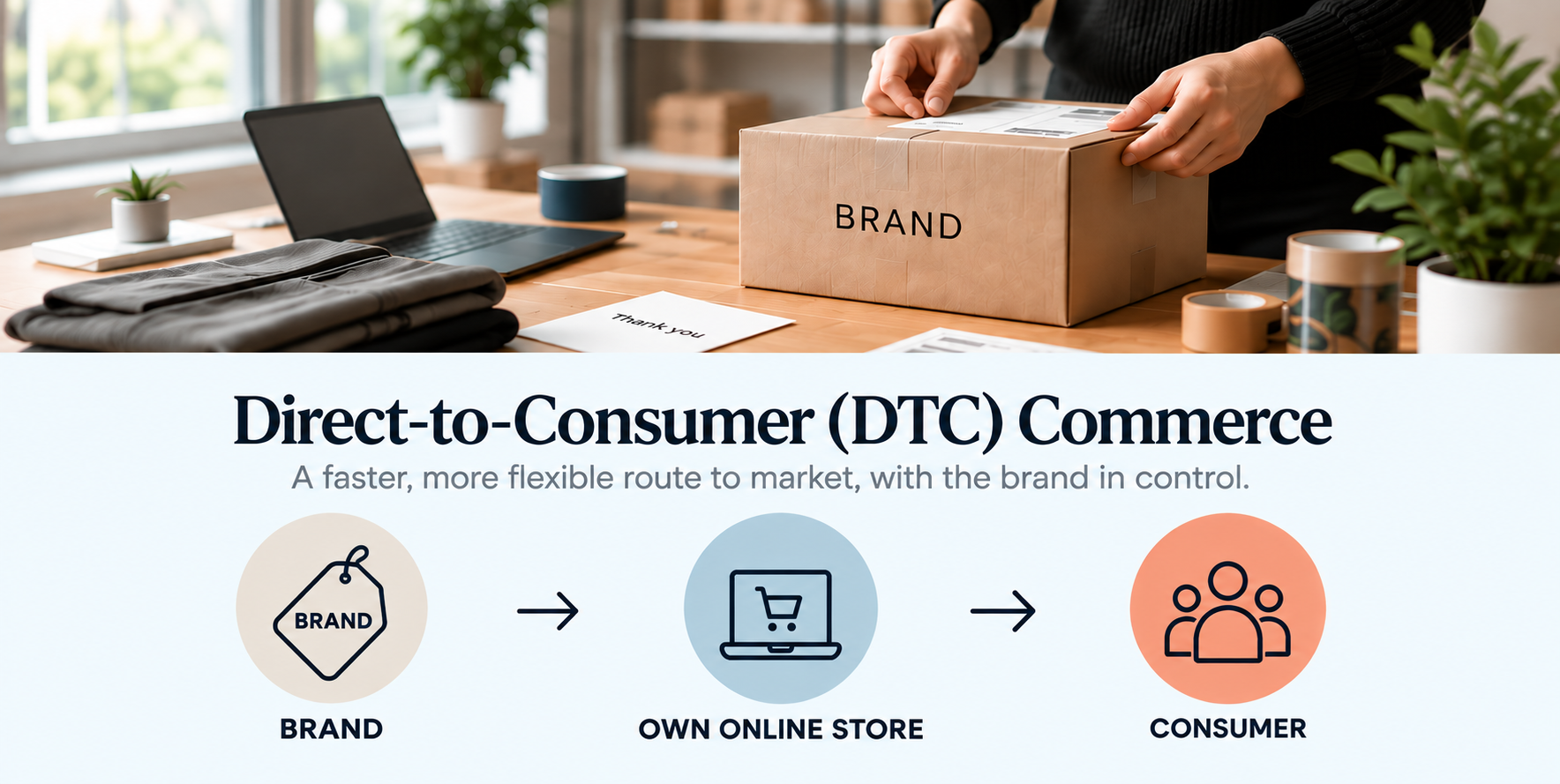
Digital first, wholesale second
An emerging consumer brand no longer necessarily needs an established distributor or a network of wholesale accounts to launch.
Platforms such as Shopify have made it easier to establish a direct-to-consumer (DTC) business, build brand awareness and develop relationships directly with customers.
A digital-first approach allows brands to test products, understand demand and develop their identity before committing to a broader physical retail presence.
Importantly, it also gives them access to valuable customer and performance data that would traditionally have been harder to obtain through wholesale channels.
As the brand develops, wholesale can become a selective second stage rather than the starting point.
Instead of pursuing distribution through as many retailers as possible, brands can choose carefully curated retail partners that reinforce their positioning, provide physical visibility and introduce the product to new audiences.
Wholesale becomes part of an integrated growth strategy rather than the entire commercial model.
The infrastructure has changed too
Historically, distributors often provided much of the operational infrastructure required to support a brand in a particular market.
Warehousing, stockholding, order processing, customer service, logistics and financial administration were frequently managed through the distributor's own business.
Today, brands have more options.
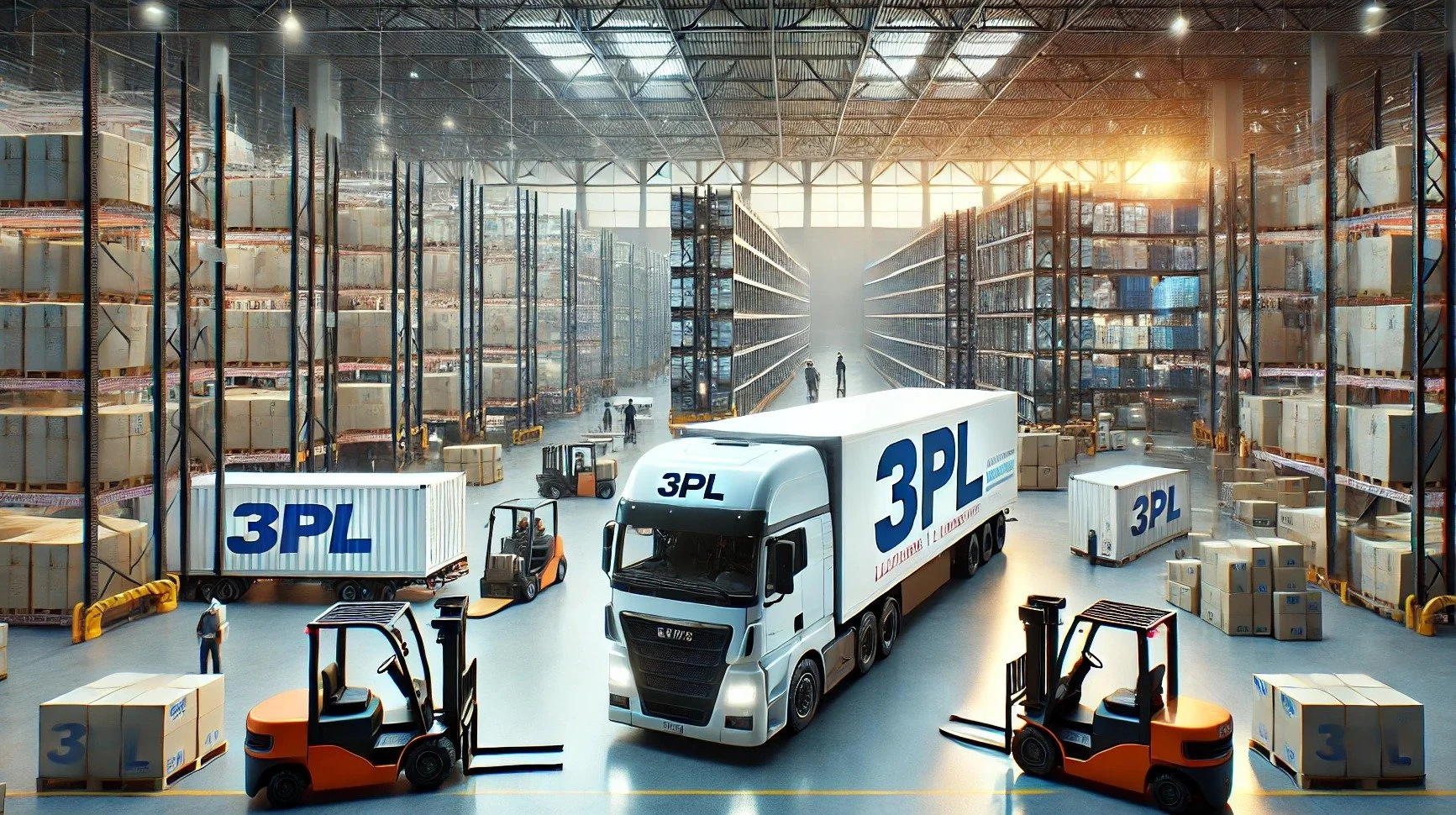
Third-party logistics providers (3PLs) can support both DTC and wholesale fulfilment from shared stockholding. Cloud-based ERP and inventory systems can connect sales channels, improve stock visibility and support financial control.
A brand can potentially operate its own e-commerce platform, sell through selected wholesale partners and use an outsourced logistics network without building a large internal infrastructure.
However, having access to these systems and partners does not automatically create an efficient business.
As channels multiply, inventory management, integration, cash flow, returns and operational complexity become increasingly important.
So where does that leave the distributor?
The traditional model has not disappeared, but the value proposition is changing.
For some brands, an experienced distributor continues to offer valuable market knowledge, established retailer relationships, local representation and commercial expertise.
For others, a more flexible, hybrid approach may be appropriate. Brands can retain ownership of their stock, systems and customer relationships while drawing on local sales and marketing agencies for market knowledge, retail relationships, brand representation and specialist wholesale development.
Supported by established 3PLs and connected digital systems, this model allows brands to build a local presence without necessarily committing to the infrastructure and fixed costs of a traditional distribution arrangement.
The operational challenge behind growth
In my experience, the real challenge is rarely just selecting the right sales channel.
It is ensuring that the operations, financial controls, systems and people behind the business can support the chosen model.
Digital-first growth may simplify market entry, but combining DTC, wholesale, marketplaces and international expansion introduces new demands.
The businesses that manage this transition effectively need clear processes, reliable information, capable partners and an operating structure that can evolve with them.
The route to market may have changed, but the fundamentals of building a well-run business remain just as important.
Martin Cole
Founder | Qadence
September 2026